Tips how to clean your teeth
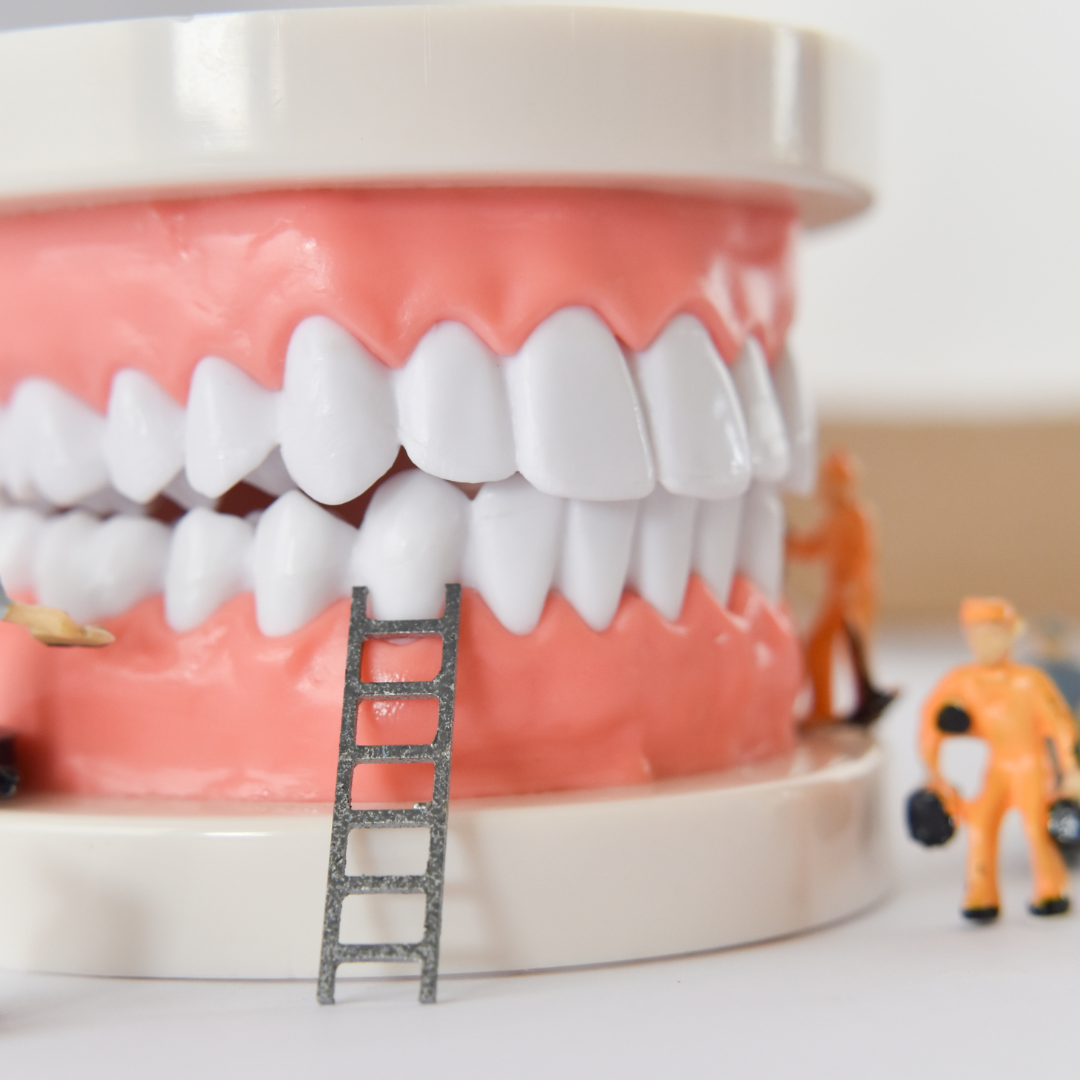
Toothbrushing – the Basis of Oral Hygiene
Toothbrushing is the most basic and essential step in removing dental plaque from tooth surfaces. With a properly designed toothbrush and correct brushing technique, plaque can be removed effectively. Teeth should be brushed at least twice a day.
Most manual toothbrushes are made with soft, flexible nylon bristles with rounded tips, which help reduce irritation of the gums and enamel while ensuring effective cleaning.
The toothbrush head should not be too large to allow easy access to the back areas of the mouth.
The handle should be long enough for a comfortable grip; angled handles often provide better control. Proper brushing should last until the teeth are clean.
In patients with healthy gums, correct brushing can remove most plaque. However, in cases of periodontal disease, gum recession, or crowded teeth, brushing alone is not sufficient and must be supplemented with additional cleaning methods.
Sonic toothbrushes represent a modern and highly effective alternative to manual toothbrushes. They work using high-frequency vibrations, which create dynamic fluid movement that helps disrupt and remove plaque not only from tooth surfaces but also from hard-to-reach areas along the gum line and between teeth.
Compared to manual brushing, sonic toothbrushes can remove plaque more efficiently while being gentle on the gums.For optimal results, the brush head should be placed gently on each tooth and allowed to work without excessive pressure.
Studies show that toothbrushing alone removes only about 70% of dental plaque. Plaque often remains on the interdental (contact) surfaces of teeth, which is why oral hygiene should be complemented with dental floss and an interdental brush.
Dental floss
Dental floss is especially suitable for tight interdental spaces, where it effectively removes plaque from contact surfaces. It is usually made of multifilament nylon, or alternatively silk or polyester.
How to use dental floss:
-
Cut approximately 20–25 cm of floss and wrap the ends around your fingers.
-
Gently guide the floss between two teeth using your index fingers or thumbs.
-
Curve the floss around the neck of the tooth to increase contact with the tooth surface.
-
Move the floss up and down along the tooth surface 4–5 times on each side.

Interdental brushAn interdental brush is designed to remove plaque from wider interdental spaces, particularly in cases of gum recession or enlarged gaps between teeth, for example in patients with periodontitis.
It provides gentle yet highly effective cleaning without the risk of gum injury that may occur when using wooden or plastic toothpicks.
The brush should be inserted gently into the interdental space without force. The side surfaces of adjacent teeth are cleaned using short back-and-forth movements. After cleaning all interdental spaces, it is recommended to rinse the mouth.
Regular use of an interdental brush helps prevent gingivitis and periodontal disease and is an essential part of comprehensive oral hygiene.